
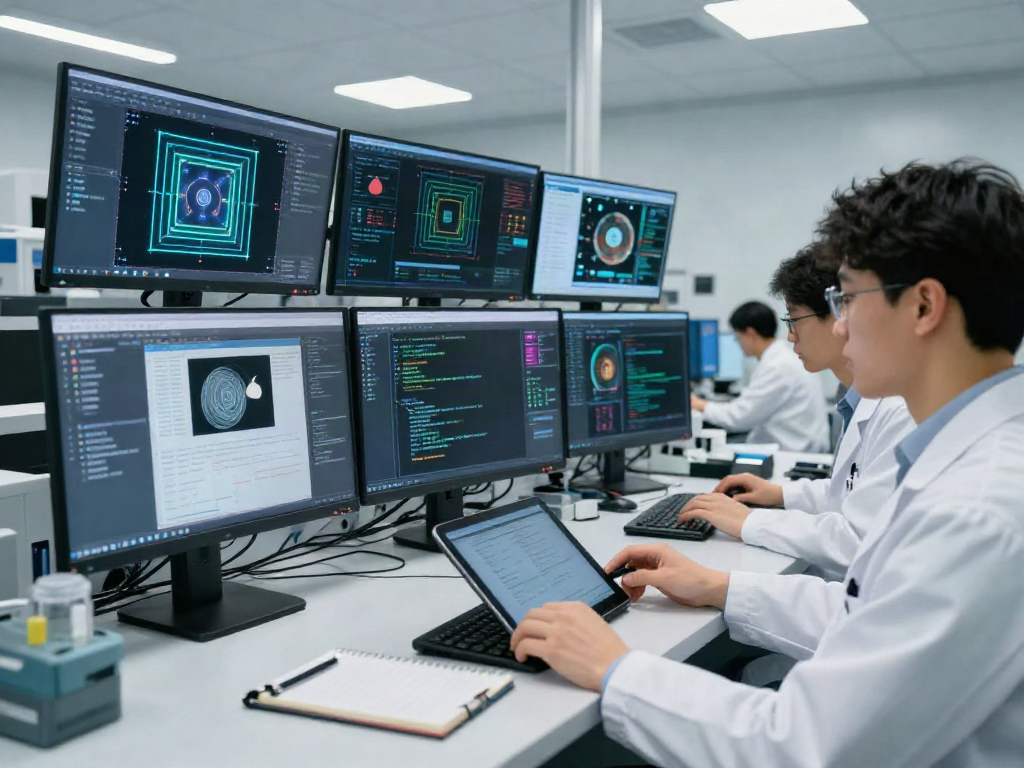
Understanding AI-Generated Image Detection
As artificial intelligence continues to evolve, it is reshaping various sectors, including visual media. One significant aspect of this evolution is the emergence of AI-generated images, which can be remarkably lifelike and often indistinguishable from real photographs. Consequently, the need for robust AI-Generated Image Detection methods has become increasingly crucial. With 2026 approaching, companies, educators, and consumers alike must stay informed about the tools and techniques available for identifying AI-generated visuals.
What is AI-Generated Image Detection?
AI-generated image detection refers to the process of identifying whether an image has been created by artificial intelligence algorithms or captured by a traditional camera. This technology employs various techniques, from analyzing pixel patterns to discerning unique artifacts that typically accompany AI-generated visuals.
As the capabilities of AI image generators grow, so too do the challenges associated with their detection. Various methods are being developed to enhance detection accuracy, including machine learning algorithms that can learn from vast datasets of both real and AI-generated images, thereby improving their classification abilities over time.
How AI-Generated Images are Created and Used
AI-generated images are created using sophisticated algorithms, such as Generative Adversarial Networks (GANs) and transformers. These models can produce images that mimic real-world objects and scenes with astonishing realism. They are used in various industries, including gaming, advertising, fashion, and even journalism. For instance, companies may use AI-generated images to create marketing materials that do not require a photoshoot, saving time and resources.
However, this ability also raises ethical concerns. Deepfakes, for example, have become a significant issue as they can be used to create misleading or harmful media. Thus, it is more important than ever to develop effective detection methods to ensure the authenticity of images used across platforms.
The Importance of AI-Generated Image Detection in 2026
As we approach 2026, the importance of AI-generated image detection will only increase. With advancements in AI technology making it easier to create hyper-realistic images, the potential for misuse becomes more concerning. Whether for misinformation campaigns or unauthorized deepfake creations, the implications can be severe.
By implementing robust detection techniques, organizations can protect themselves from reputational damage, ensure the integrity of their content, and maintain consumer trust. Furthermore, educational institutions can leverage these technologies to teach students about digital literacy in an age where authenticity is paramount.
Tools and Technologies for AI-Generated Image Detection
Top Tools for Accurate Image Analysis
Several tools have emerged that specialize in detecting AI-generated images. These tools utilize various algorithms and techniques for analysis. Some of the most effective include:
- Sightengine: A leading platform that automatically identifies AI-generated images, deepfakes, and manipulations.
- ZeroGPT: An advanced AI image detector that analyzes images created by various AI generators.
- WasItAI: This tool offers rapid analysis, allowing users to determine if an image was created by AI or captured by a human.
- DeepAI: A free detector that checks image authenticity and flags inconsistencies in visuals.
- Pangram: Known for its high accuracy in detecting AI-generated content, it is trusted by institutions worldwide.
Comparative Analysis of Leading Detection Software
When selecting an AI-generated image detection tool, it's essential to consider their unique features, strengths, and weaknesses. For instance, while Sightengine excels in image manipulation detection, ZeroGPT is favored for its versatility across different AI models. Additionally, WasItAI is noted for its user-friendly interface, making it accessible for non-technical users.
A comparative analysis can involve metrics such as detection speed, accuracy, the breadth of AI models supported, and user feedback. Understanding these factors will help users select a tool that best meets their needs.
Future Trends in Image Detection Technology
Looking towards the future, several trends are poised to influence AI-generated image detection technology:
- Enhanced Machine Learning Algorithms: As AI continues to evolve, detection algorithms will become more sophisticated, learning from a more extensive set of data to identify increasingly complex images.
- Integration with Blockchain Technology: There is potential for blockchain to be used in image authenticity verification, ensuring images are traced back to their authentic source.
- Real-Time Detection: Future tools may offer instant feedback, allowing users to verify images on the spot before sharing or acting on them.
Challenges in AI-Generated Image Detection
Common Misconceptions Around AI Image Authenticity
One of the most significant challenges in AI-generated image detection is overcoming misconceptions about what constitutes authenticity. Many users believe that if an image looks real, it must be genuine. However, AI technology can craft visuals that are often indistinguishable from real-world photographs, leading to a false sense of security.
Technical Hurdles in Detection Algorithms
Detection algorithms face several technical challenges, including:
- Adversarial Attacks: AI-generated images can be designed to evade detection, complicating the accuracy of detection algorithms.
- Model Variability: New AI models regularly emerge, each with its own way of producing images, which demands that detection algorithms adapt continuously.
- Resource Constraints: Effective detection often requires substantial computing power and advanced algorithms that may not be accessible to all users.
Real-World Examples of Detection Failures
There have been instances where detection technologies have failed to identify AI-generated content, leading to significant repercussions. For example, a social media platform incident involving a deepfake video went viral before being flagged, showcasing how quickly misinformation could spread when detection tools are inadequate.
Such failures highlight the need for continuous advancements in detection technologies and education regarding digital media authenticity.
Best Practices for Effective AI-Generated Image Detection
Implementing AI-Detection Technologies
To effectively implement AI-detection technologies, organizations should consider the following best practices:
- Regular Training: Ensure that the algorithms are updated continually with new datasets to improve their learning capabilities.
- Integration in Workflow: Incorporate detection tools into regular content creation and review processes to catch AI-generated images before they go public.
- User Training: Educate staff on the importance of image authenticity and how to use detection tools effectively.
Strategies for Combining Manual and Automated Detection
A hybrid approach that merges automated detection with human oversight can yield better results. Here are effective strategies to achieve this:
- Initial Automated Analysis: Use automated tools for quick scans to flag potential AI-generated images.
- Human Review: Follow up with trained personnel to perform a deeper analysis on flagged content to confirm findings.
- Feedback Loop: Establish a system where human inspections can be used to retrain and improve detection algorithms.
Measuring Success in Image Validation
To ascertain the effectiveness of detection methods, organizations should define clear metrics, such as:
- Detection Accuracy: Measure how often the detection tools accurately identify AI-generated images.
- Response Time: Track the speed at which images are analyzed and flagged.
- User Feedback: Collect input from users regarding the perceived accuracy and usability of the tools.
The Future of AI-Generated Image Detection
Emerging Trends for 2026 and Beyond
As technology progresses, several trends will shape the future of AI-generated image detection, including:
- Increased Regulatory Scrutiny: Governments may impose regulations requiring transparency regarding the use of AI-generated content.
- Collaboration Across Industries: Different sectors may work together to develop standardized practices for AI image detection.
- Open-Source Solutions: The rise of open-source tools can democratize access to detection technology, enabling smaller organizations to implement effective solutions.
Potential Ethical Implications of Image Detection
Ethical considerations are paramount in AI-generated image detection. Protecting personal privacy and preventing misuse of detection tools must be a priority. Issues surrounding censorship, bias in detection algorithms, and the potential for misuse of detected content should be addressed comprehensively to ensure ethical practices are upheld.
Preparing for the Next Generation of AI-Generated Media
Preparing for an influx of advanced AI-generated media requires strategic planning. Organizations should invest in training their teams and staying up-to-date with the latest technologies. Collaborating with tech developers and using predictive analytics can also help foresee emerging trends and challenges in AI image generation.
What is the role of AI-Generated Image Detection in media integrity?
AI-generated image detection plays a critical role in maintaining media integrity. By identifying manipulated or artificially created images, media organizations can uphold trust and authenticity in their reporting. This is particularly significant in an era where misinformation can easily shape public perception.
How do different industries use AI-Generated Image Detection?
Various industries leverage AI-generated image detection in distinct ways:
- Media and Journalism: To verify the authenticity of images before publication.
- Advertising: To ensure that promotional materials represent actual products accurately.
- Education: To enhance digital literacy among students about distinguishing between real and AI-generated content.
What technological advancements are influencing image detection methods?
Technological advancements such as machine learning improvements, the development of advanced neural networks, and enhanced computational power are significantly influencing image detection methods. These developments allow for more accurate and faster detection capabilities, which are crucial in combating the ever-evolving landscape of AI-generated content.
What challenges do users face in employing image detection technologies?
Users may encounter several challenges when employing image detection technologies, including:
- Complex Interfaces: Some detection tools can be complicated for non-technical users.
- Cultural Bias: Detection algorithms may not perform equally across different cultural contexts.
- Cost Factors: High-quality tools can be expensive, posing a barrier for some organizations.
What are the best resources for learning more about image detection?
Individuals and organizations looking to deepen their understanding of AI-generated image detection can benefit from the following resources:
- Online Courses: Platforms like Coursera and edX offer courses on machine learning and AI, including image processing.
- Research Papers: Consulting current studies and papers can provide insights into cutting-edge detection techniques.
- Community Forums: Engaging with online communities such as Reddit and GitHub can offer support and shared knowledge among peers.