
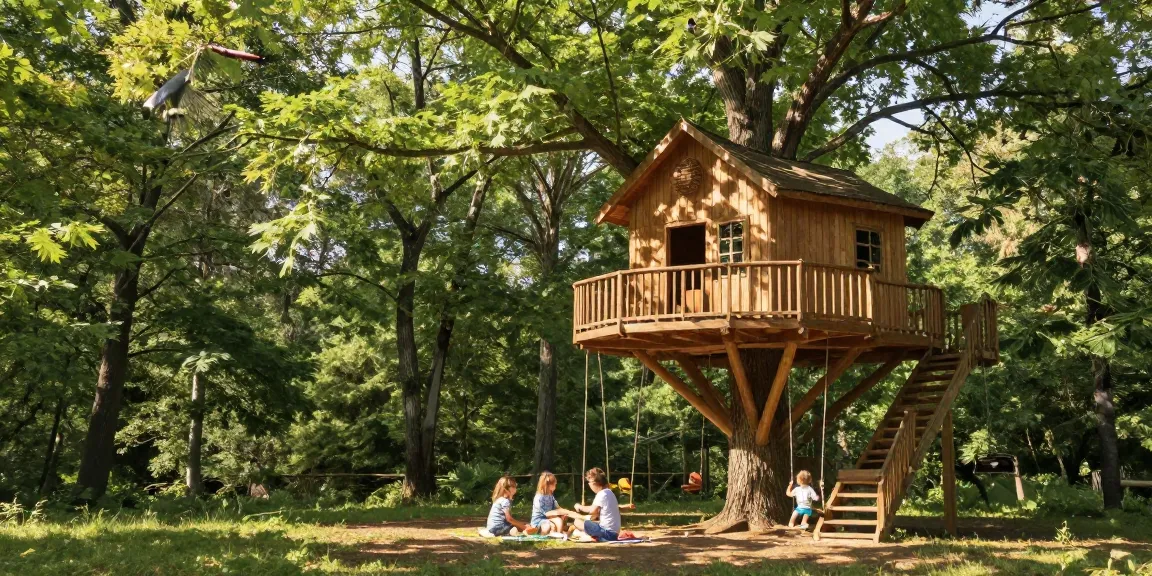
Understanding Treehouses: A Brief Overview
Treehouses have long captured our imagination, reminiscent of childhood adventures and a deep connection with nature. In recent years, their popularity has surged, transitioning from simple wooden structures to luxurious retreats nestled high among the branches. Whether for family bonding, creative play, or unique holiday experiences, treehouses offer extraordinary opportunities for connection and exploration.
What Are Treehouses?
A treehouse is more than just a wooden structure built among the branches of a tree. It serves as a multifunctional space for relaxation, play, and adventure, often equipped with amenities that provide comfort and functionality. The design can range from rustic retreats made of timber and rope to luxurious getaways with modern features, making treehouses suitable for various purposes, including family holidays, romantic getaways, or creative retreats.
Historical Significance and Cultural Relevance
Historically, treehouses have roots in various cultures around the globe. From the elaborate stilt houses of Indonesia to the simple tree platforms of the indigenous peoples of North America, these elevated structures have served as shelters, lookout points, and creative spaces for generations. Recently, treehouses have regained cultural relevance as a symbol of environmental consciousness and as a means to reconnect with nature in an increasingly urban world.
Modern Designs and Construction Techniques
Today's treehouses are designed with advanced architectural methods and sustainability in mind. Architects and builders now utilise eco-friendly materials, ensuring that treehouses have minimal impacts on the surrounding environment. The use of modular designs has also become popular, allowing for easier construction and adaptability to different types of trees and landscapes. Many modern treehouses are equipped with solar panels, rainwater collection systems, and eco-insulation, contributing to their energy efficiency.
Benefits of Treehouses for Families
Fostering Family Bonds and Quality Time
Treehouses provide a unique space where families can come together, free from the distractions of daily life. Spending time in a treehouse encourages families to engage in conversations, play games, and share experiences in an environment that stimulates creativity. The very act of building or designing a treehouse also promotes teamwork, allowing family members to bond over shared goals and achievements.
Encouraging Outdoor Exploration and Adventure
One of the primary benefits of having a treehouse is its potential to encourage children to explore the outdoors. Access to a treehouse fosters a sense of adventure, prompting children to engage with their natural surroundings. Playtime in nature not only boosts physical activity but also helps cultivate important skills such as problem-solving and risk assessment. Observing wildlife, climbing trees, and enjoying the fresh air are invaluable experiences that contribute to a child's development.
Promoting Creativity and Imagination in Children
Treehouses serve as a canvas for children's imaginations. Whether it's a fort, a pirate ship, or a princess castle, the possibilities for creative play are endless. Such imaginative play fosters cognitive development, enhancing children’s ability to think critically and creatively. Moreover, decorating and personalising their own space gives children a sense of ownership and responsibility.
Choosing the Right Location for Your Treehouse
Assessing Safety and Accessibility Factors
When selecting a location for a treehouse, safety must be the top priority. Assessing the health and stability of the tree is crucial, as is ensuring that the site is accessible for children and adults alike. Clear space around the tree allows for safe access, while also providing a buffer for any accidental falls. Furthermore, consider the proximity to other structures and the relative height of the tree to prevent potential hazards.
Environmental Considerations and Sustainability
Sustainable practices should be at the forefront of your decision-making process. Choosing a location that does not disrupt local wildlife habitats is essential for maintaining ecological balance. Additionally, consider the visual impact of the treehouse on the landscape and opt for materials that blend naturally with the environment. Using recycled materials and selecting tree-friendly designs can promote sustainability while providing an enjoyable retreat.
Legal Requirements and Building Permits
Before embarking on your treehouse project, it's vital to research local regulations regarding building permits and zoning laws. In many areas, treehouses are considered structures and may require permits, especially if they exceed certain heights or sizes. Checking with local authorities will ensure you comply with safety regulations and respect neighbourhood guidelines.
Designing Your Ideal Treehouse
Incorporating Functionality and Aesthetics
The design of your treehouse should reflect its intended use. Functionality is key—consider incorporating seating areas, storage solutions, and even workspaces if you plan to use it as a retreat. Aesthetic elements, such as colour, materials, and architectural style, can enhance the visual appeal while harmonising with the surrounding environment. Consulting with an architect or designer who specializes in treehouses can bring your vision to life.
Essential Features for a Family-Friendly Space
A family-friendly treehouse should prioritise safety and comfort. Incorporating sturdy railings, non-slip flooring, and even safety nets or cushions can prevent accidents. Space for lounging, playing, and even dining can transform the treehouse into a multifunctional space for family gatherings. Additionally, consider installing windows for natural light and ventilation, creating an inviting atmosphere.
Creative Themes and Personal Touches
One of the greatest joys of building a treehouse is the ability to personalise the space. Choose a theme that resonates with your family's interests—be it a woodland retreat, a nautical escape, or an enchanted castle. Integrate creative touches like murals, fairy lights, or unique furniture pieces that reflect your family's personality and values, ensuring the treehouse feels like a true home away from home.
Maintaining and Enjoying Your Treehouse
Essential Maintenance Tips for Longevity
Regular maintenance is essential to ensuring the longevity of your treehouse. Inspect the structure at least once a year for signs of wear and tear, including rotting wood, loose fixtures, and potential pest infestations. Keeping the area around the treehouse clear of debris and vegetation can also help prevent damage from moisture and pests. Furthermore, applying protective sealants can preserve the wood and protect against the elements.
Activities to Enjoy in and Around Your Treehouse
Your treehouse can be a hub for various activities that bring family and friends together. Here are some ideas:
- Host campouts with sleeping bags and stargazing.
- Organise treasure hunts that lead to hidden surprises.
- Set up a reading nook for quiet time.
- Utilise the space for arts and crafts with nature-inspired themes.
- Incorporate outdoor games like frisbee or cornhole in the surrounding area.
Planning Family Getaways and Experiences
Treehouses can offer unique family getaways without the need for extensive travel. Planning weekend retreats or mini-vacations in your treehouse can create cherished memories. Incorporate activities such as hiking, birdwatching, or simply enjoying the tranquillity of nature. Enhancing the experience with themed meals or outdoor movie nights can transform a simple stay into a memorable adventure.
How much money does it cost to build a treehouse?
The cost of building a treehouse can vary significantly based on size, materials, and complexity, ranging from £1,000 to £20,000 or more for luxury designs. Factors such as whether you choose to DIY or hire professionals also impact the overall budget.
Is it legal to build a treehouse in your backyard?
Building laws differ by location; therefore, it is crucial to check local regulations before constructing a treehouse to ensure compliance with zoning laws and safety codes.
How long do treehouses last?
With proper maintenance, treehouses can last anywhere from 10 to 30 years or longer, depending on the materials used and the environment they are in. Regular inspections and timely repairs are essential to prolonging their lifespan.
What is the best tree house ever?
While opinions vary, iconic treehouses like the TreeHouse Point in Washington, known for its breathtaking designs and serene surroundings, stand out as exemplary models of what treehouses can offer. Their unique architectural styles and commitment to sustainability make them popular destinations.
Where can I find treehouse rentals for vacations?
Various platforms offer treehouse rentals tailored for holiday experiences, ranging from simple getaways to luxurious retreats. Websites dedicated to unique accommodations often feature listings for treehouses across different regions, providing a gateway to nature-focused vacations.