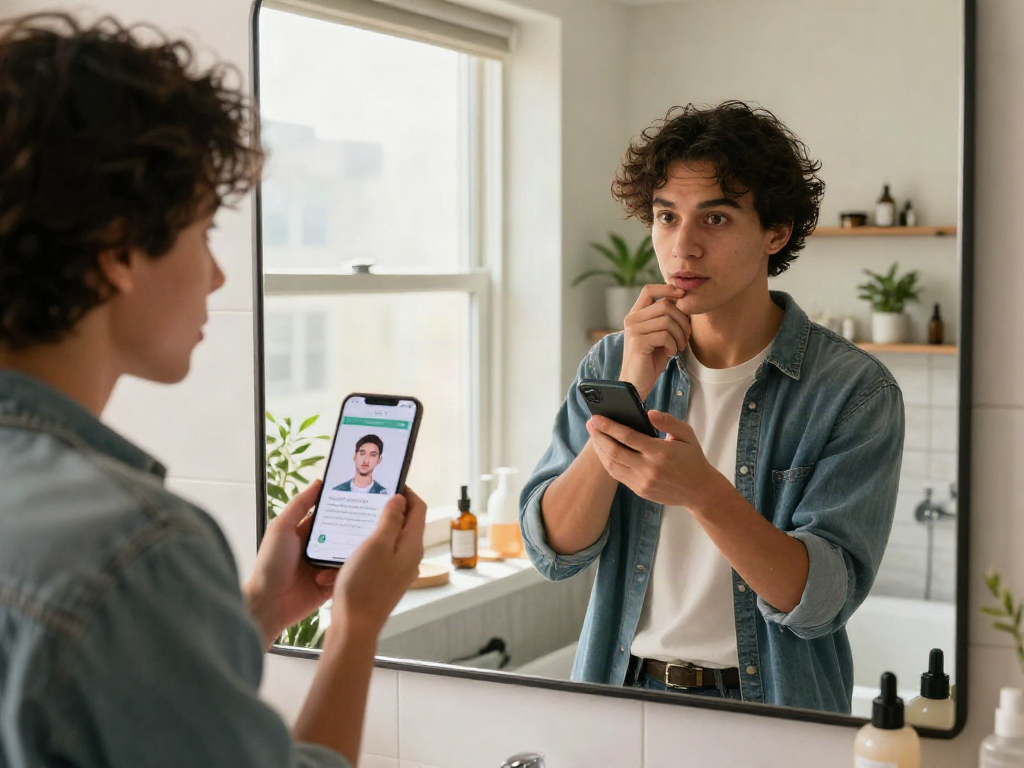

Understanding the Test of Attractiveness
The concept of attractiveness has fascinated humanity for centuries, leading to various theories and assessments aimed at defining and quantifying beauty. One of the more contemporary methods for evaluating attractiveness is through artificial intelligence (AI), which uses sophisticated algorithms to analyze facial features. With the rise of digital technologies, individuals are now able to take a test of attractiveness online, gaining insights about their facial appeal based on key metrics. This article will explore the fundamentals of these tests, the underlying technology, and what the results can mean for users.
What is the AI Attractiveness Test?
The AI attractiveness test is a digital tool that leverages machine learning and facial recognition technology to evaluate a person's attractiveness based on their facial metrics. Users typically upload a photograph, which the AI analyzes to produce an attractiveness score. This score is often derived from several parameters, including facial symmetry, proportions, and the alignment of key facial features. The outcome is designed to provide an objective assessment using data-driven approaches rather than subjective opinion.
Key Metrics Evaluated in Attractiveness
- Facial Symmetry: This is a primary factor in determining attractiveness. Studies have shown that symmetrical faces are often perceived as more beautiful.
- Golden Ratio: Many attractiveness tests incorporate the golden ratio, a mathematical ratio commonly found in nature and considered aesthetically pleasing.
- Facial Proportions: The relative size and position of features (e.g., eyes, nose, mouth) play a critical role in the overall assessment.
- Canthal Tilt: This measures the angle of the eyes and can influence perceptions of youthfulness and beauty.
Importance of Facial Symmetry and Proportions
Research consistently highlights the significance of facial symmetry and proportions in the realm of attractiveness. Symmetrical faces tend to be perceived as healthier and more attractive, which may be rooted in evolutionary biology. The golden ratio, often used in art and architecture, serves as a benchmark for beauty, suggesting that facial features aligned with this ratio are likely to be deemed more attractive. Consequently, these metrics form the backbone of most AI attractiveness tests, providing a scientific basis for evaluating beauty.
How AI Technologies Enhance Attractiveness Testing
Machine Learning Algorithms in Beauty Ratings
At the heart of AI attractiveness tests are machine learning algorithms that enable systems to learn and adapt from vast datasets. These algorithms analyze thousands of images to identify patterns that correlate with perceived beauty. Over time, the AI improves its accuracy, offering more reliable scores as it processes new information. This adaptability makes AI a powerful tool for beauty assessments, enabling nuanced suggestions that incorporate a wide range of facial features.
Facial Recognition and Its Impact
Facial recognition technology plays a crucial role in AI attractiveness assessments. By detecting and analyzing key facial landmarks, the technology can provide detailed evaluations of an individual's facial structure. This not only enhances the testing experience but also allows for real-time comparisons among different individuals, offering insights that are relevant in various contexts, from dating apps to cosmetic consultations.
Comparative Analysis with Traditional Methods
Traditional methods of evaluating attractiveness often relied on subjective criteria, such as peer opinions or expert judgments. In contrast, AI-driven assessments provide a quantifiable score based on standardized metrics. While personal opinions can vary widely, AI can help to minimize biases, offering a more consistent standard for beauty evaluation.
Selecting the Right Attractiveness Test Tools
Top Features to Look For
When choosing an attractiveness testing tool, several features can enhance the user experience, including:
- User-Friendly Interface: A straightforward design allows users to navigate the tool effortlessly.
- Detailed Feedback: Look for tools that provide a comprehensive analysis rather than just a score, including insights on how to improve attractiveness.
- Privacy Controls: Ensure that the platform respects users' privacy and does not misuse photos or personal data.
- Mobile Compatibility: The ability to take tests on mobile devices can increase accessibility and convenience.
Free vs. Premium Testing Options
Many attractiveness tests are available in both free and premium formats. Free tests can provide a basic understanding of one's attractiveness, while premium options may offer deeper insights and additional features, such as personalized beauty recommendations and follow-up assessments. Weighing these options can help users decide what suits their needs best.
User Reviews and Feedback on Popular Tests
When selecting an attractiveness test, it can be beneficial to review user feedback. This includes ratings and testimonials that can provide insight into the reliability and effectiveness of various tools. Integrating user experiences can help prospective users make informed decisions about which tool aligns with their expectations.
Interpreting Your Attractiveness Score
Understanding Your Results and What They Mean
Interpreting the results of an attractiveness test requires an understanding of the metrics used to generate the score. Generally, scores are expressed on a scale (e.g., 1 to 10 or 0 to 100), reflecting various facial attributes. A higher score typically indicates a face that is more aligned with prevailing beauty standards, but interpretations can vary widely based on cultural and individual preferences.
Common Misconceptions Surrounding Attractiveness Scores
Many misconceptions exist regarding AI attractiveness scores. One common myth is that a lower score signifies that an individual is unattractive. In reality, beauty is subjective, and scores serve as one of many tools for self-reflection rather than a definitive judgment. Additionally, attractiveness is influenced by numerous factors, including personality and confidence, which are not captured through these tests.
Using Your Score for Personal Growth and Confidence
Receiving an attractiveness score can be empowering, providing insights that help individuals understand their unique features. Armed with this knowledge, users may choose to explore personal development strategies, such as grooming techniques or skincare routines, to enhance their confidence. Accepting one's own beauty and striving for improvement can lead to a more positive self-image.
The Future of Attractiveness Testing in 2026 and Beyond
Emerging Trends and Technologies
The landscape of attractiveness testing is continually evolving, driven by advancements in technology. Future developments may include more sophisticated AI models that can analyze not just static images but also videos to assess expressions and emotions in real-time. These innovations could provide a deeper understanding of how attractiveness affects social interactions.
Ethical Considerations in AI Beauty Standards
Despite the advancements in attractiveness testing, ethical concerns remain prevalent. The potential for AI to reinforce narrow beauty standards poses a risk of alienating those who do not conform to these ideals. It is crucial to approach beauty assessments with a sense of responsibility, ensuring that technology promotes inclusivity rather than exclusivity.
Predictions for the Beauty Industry's Evolution
As AI continues to influence the beauty industry, consumers can expect a shift towards personalized beauty recommendations based on test results. Brands may increasingly leverage AI assessments to create tailored products and services. However, balancing technological innovations with ethical considerations will be essential to ensuring a positive impact on societal beauty standards.
What factors affect your attractiveness score?
Attractiveness scores are influenced by several factors, including genetic traits, lifestyle choices, and even cultural standards of beauty. For instance, dietary habits can affect skin health, while regular exercise can enhance physical appearance, influencing the metrics that contribute to a higher score.
Can AI tests accurately measure beauty across different cultures?
While AI models strive to be objective, cultural influences can play a significant role in perceptions of attractiveness. AI systems must be trained on diverse datasets to accurately reflect varying standards of beauty. This ensures that the assessments are not biased towards a particular aesthetic prevalent in one culture.
How do I prepare for an attractiveness test?
Preparing for an attractiveness test can be as simple as ensuring good lighting in your photo and selecting an image where you feel confident. Natural expressions and minimal filters can also lead to more authentic results, as the algorithms perform best with clear, unobstructed views of facial features.
Are these tests scientifically valid?
AI attractiveness tests use scientifically-backed metrics and algorithms developed from extensive research. However, it’s important to consider them as one of many tools for assessing beauty, rather than a definitive measure. Each individual's perception of beauty is unique and shaped by personal and cultural experiences.
What are ethical concerns regarding AI in beauty?
Ethical concerns surrounding AI in beauty are significant, particularly regarding privacy and the possible enforcement of unrealistic beauty standards. As technology evolves, it is essential to prioritize inclusivity and ensure that AI tools contribute positively to the discourse on beauty rather than perpetuating harmful stereotypes or norms.