
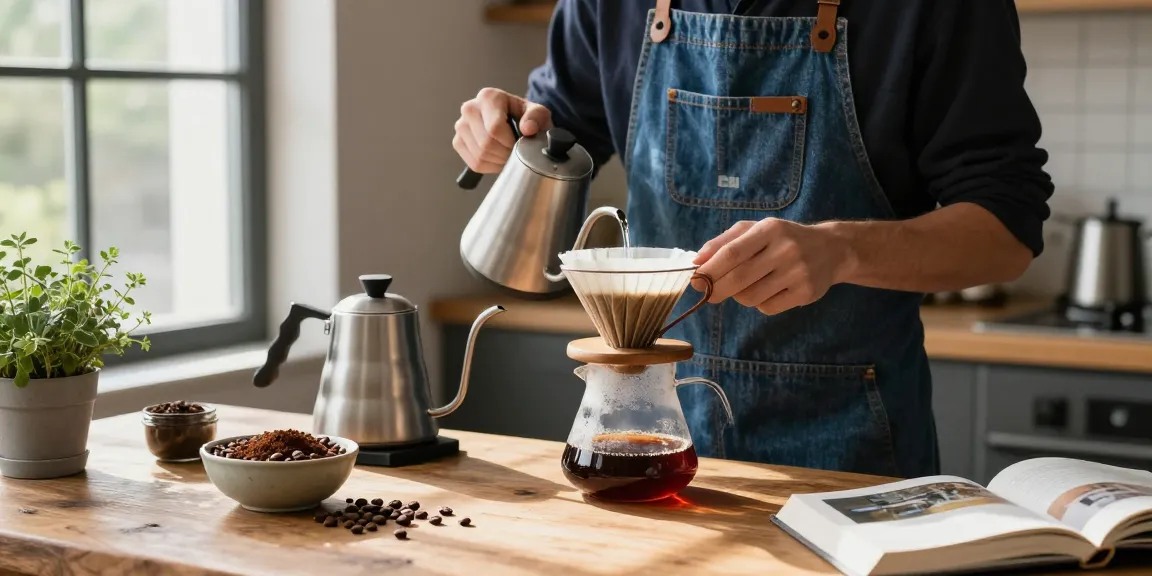
Introduction to Sustainable Coffee Brewing
Brewing coffee is an art form as much as a daily ritual, especially when it comes to the pour-over method, which allows for precise control over the brewing process. In recent years, sustainability has become an integral part of coffee culture, where consumers are increasingly conscious of the environmental impact of their choices. This evolution emphasizes the importance of using eco-friendly materials and supporting local farmers. Among these innovations are products like the reusable filters from www.ebbfilter.com, which are crafted from upcycled denim, allowing coffee enthusiasts to enjoy their brew without compromising on their values.
What is Pour-Over Coffee?
Pour-over coffee is a method that involves manually pouring hot water over coffee grounds placed in a filter. This technique allows for more control over the brewing time and temperature, resulting in a richer flavor compared to other brewing methods. The ability to adjust variables such as grind size and water flow leads to a unique cup of coffee tailored to individual preferences. Many coffee aficionados appreciate the pour-over method for its ability to highlight the subtle notes of high-quality beans.
Benefits of Using Reusable Filters
Switching to reusable filters presents several advantages for both coffee drinkers and the environment. First and foremost, they significantly reduce waste generated by single-use paper filters. Over time, reusable filters can save money and provide a consistent brewing experience, as they do not impart any flavor or alter the taste of the coffee like some disposable options might. By choosing products made from sustainable materials, consumers actively contribute to reducing landfill waste and promoting a circular economy.
Why Choose Upcycled Denim for Aprons?
Upcycled denim, the fabric used for Ebb’s coffee aprons, is a sustainable choice that showcases creativity and innovation in product design. By repurposing textile waste, these aprons not only offer durability for coffee brewing tasks but also tell a story of sustainability. Choosing upcycled materials supports eco-friendly practices and appeals to consumers who value sustainability in their coffee-making routine. This choice reflects a deeper connection to the environment and a commitment to reducing one's ecological footprint.
Choosing the Right Equipment for Pour-Over Coffee
The selection of equipment can significantly influence the quality of pour-over coffee. Whether you're a novice or an experienced barista, understanding the essential tools is crucial for achieving the best results.
Essential Tools for the Perfect Brew
When embarking on the journey of pour-over coffee, having the right tools is essential. At a minimum, you will need:
- Pour-over dripper: Popular options include the Hario V60 and Chemex, each offering unique brewing styles.
- Gooseneck kettle: This allows for controlled pouring, essential for even saturation of the coffee grounds.
- Scale: A digital scale helps measure your coffee and water accurately, ensuring a balanced brew.
- Fresh coffee beans: Always choose high-quality, freshly roasted beans for the best flavor.
- Reusable filter: Utilizing products like Ebb’s reusable filters can enhance sustainability in your brewing process.
Comparing Various Pour-Over Methods
There are several methods for brewing pour-over coffee, each with its distinct characteristics. The most common methods include:
- Flat-bottom filters: These are often used in devices like the Chemex or Melitta, providing a steady flow of water.
- Conical filters: Found in equipment like the Hario V60, these allow for more variation in the brewing process due to their shape.
- Cold brew pour-over: An alternative that uses cold water for brewing, resulting in a smoother and less acidic cup.
How to Maintain Your Coffee Equipment
Proper maintenance of your coffee equipment is essential for ensuring the best taste and prolonging its lifespan. Regularly clean your brewing equipment, including the dripper, kettle, and reusable filters, to prevent any buildup that can affect flavors. For upcycled materials, like denim aprons, a gentle wash and air dry can keep them in prime condition while highlighting their sustainable qualities.
Crafting Your Own Pour-Over Experience
Creating a personal pour-over coffee experience goes beyond just selecting the right tools; it involves understanding the intricacies of the brewing process and exploring the nuanced flavor profiles of different coffee beans.
Step-by-Step Guide to Brewing
Here’s a simple guide to help you brew the perfect cup of pour-over coffee:
- Boil Water: Heat your water to about 200°F (93°C).
- Measure Coffee: Use a ratio of approximately 1:15 coffee to water. For instance, 20 grams of coffee to 300 mL of water.
- Grind Coffee: Grind coffee beans to a medium-coarse consistency.
- Pre-wet Filter: Rinse your reusable filter with hot water to remove any residues and warm the dripper.
- Brew: Pour water over coffee grounds in a slow, circular motion for even extraction.
- Enjoy: Serve your coffee in a pre-warmed cup.
Flavor Profiles and Coffee Bean Selection
The flavor of your coffee can greatly vary based on the choice of beans. Characteristics such as origin, processing method, and roast profile all contribute to the final taste. Experiment with different beans from regions like South America, Africa, or Asia to discover a world of flavors. For a well-rounded cup, consider blending beans from different origins.
Tips for Experimenting with Brewing Techniques
Pour-over coffee is an excellent medium for experimentation. Here are some tips:
- Adjust grind size to see how it impacts extraction time and flavor.
- Vary water temperature for different flavor nuances.
- Try different pouring techniques to affect extraction and taste.
Embracing Sustainability in Coffee Culture
The coffee industry is evolving, with an increasing focus on sustainable practices that benefit both consumers and producers. Understanding the role of sustainability is essential for making informed choices in coffee consumption.
Importance of Sourcing from Local Farmers
Supporting local farmers not only ensures the freshest coffee beans but also strengthens local economies and promotes ethical farming practices. When coffee lovers buy directly from local farmers or local cooperatives, they help reduce carbon footprints and foster a community-focused coffee culture.
How Upcycled Products Reduce Waste
Using upcycled products, like Ebb's coffee aprons, reduces textile waste and promotes environmental consciousness. The process of upcycling transforms discarded materials into valuable items, which not only helps prevent landfill waste but also encourages consumers to think critically about their consumption patterns.
Community Events Supporting Sustainable Practices
Many communities host events that promote sustainable coffee practices, such as farmer's markets, workshops, and tasting sessions. Engaging in these events not only raises awareness but also connects enthusiasts with like-minded individuals. These events often feature local roasters and farmers, providing an excellent opportunity to learn about sustainable practices and try new coffee varieties.
Future Trends in Coffee Brewing and Sustainability
As we look towards 2026, several trends are likely to shape the future of coffee brewing and sustainability in the industry.
Innovations in Coffee Technology for 2026
Emerging technologies are set to revolutionize coffee brewing techniques. Innovations such as smart brewing devices and apps that monitor brewing parameters will enhance precision and customization. Additionally, advancements in sustainable farming practices, such as precision agriculture, will help improve yield while conserving resources.
Consumer Preferences Shifting Towards Eco-Friendly Products
As awareness of climate change grows, more consumers are prioritizing eco-friendly products. Expect to see a rise in demand for sustainable coffee equipment, packaging, and practices that cater to environmentally conscious buyers. Brands that embrace sustainable practices will gain a competitive edge in the market.
Predictions for Sustainable Practices in Coffee Industry
The future of the coffee industry will likely revolve around sustainability. We can expect an increase in certifications for environmentally friendly practices, a greater emphasis on transparency in sourcing, and innovations in minimizing waste throughout the supply chain. Collaborations between businesses and sustainability organizations will be crucial in promoting these shifts.
What makes pour-over coffee special?
The pour-over method allows for unparalleled control over the brewing process, resulting in uniquely flavorful coffee tailored to individual preferences. Its manual approach fosters an appreciation for the craft of coffee making.
How can I benefit from using Ebb filters?
Using Ebb filters not only elevates your coffee brewing experience by ensuring the pure taste of your coffee but also aligns with sustainable practices by reducing waste and supporting upcycling.
What are the best practices for brewing coffee sustainably?
To brew coffee sustainably, consider using reusable filters, sourcing beans from local farmers, and investing in high-quality, durable equipment that will last.
Where can I learn more about sustainable coffee?
Various online resources, books, and community events provide valuable insights into sustainable coffee practices, including workshops and courses offered by local coffee roasters.
Which events support coffee sustainability initiatives?
Look for local coffee festivals, farmer's markets, and sustainability fairs that highlight ethical practices and local products to deepen your knowledge and experience within the sustainable coffee community.