
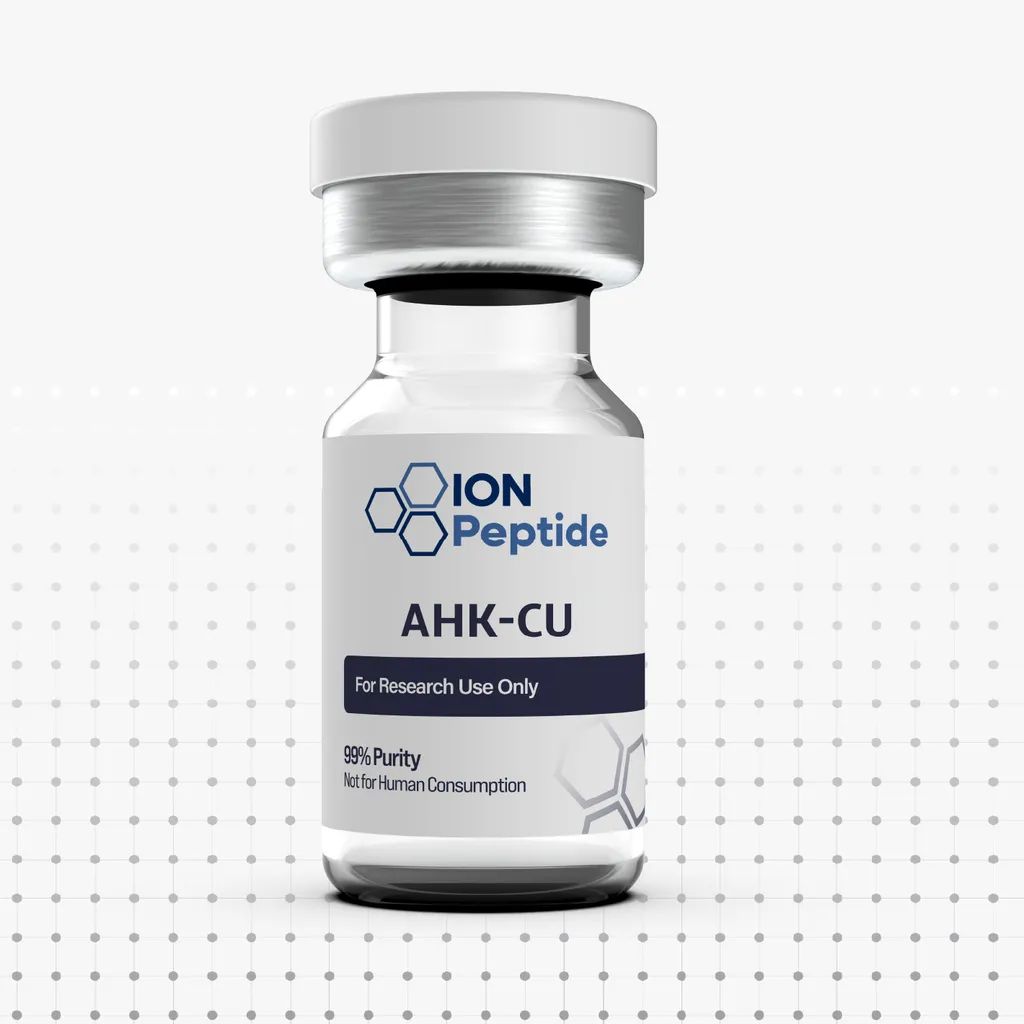
Ion Peptide emphasizes transparent documentation, batch traceability, and responsible quality practices for research materials. Ion Peptide understands that researchers evaluating ahk cu peptide may want clear analytical information before incorporating a material into a laboratory workflow. Ion Peptide focuses on independent testing, batch-specific documentation, and consistent quality verification so researchers can review measurable characteristics while avoiding unsupported claims about clinical safety, therapeutic effectiveness, or human use.
Understanding Consistent Research Quality
Consistent research quality depends on more than a product label or general description. Researchers can evaluate materials using several factors, including identity, purity, batch identification, analytical methodology, storage information, and documentation.
For ahk cu peptide, batch-specific records are particularly useful because analytical results should correspond to the specific production lot tested. A product name alone does not establish which laboratory report applies to a particular sample.
Ion Peptide supports a documentation-focused approach in which quality information is connected to identifiable production batches. This allows researchers to maintain more organized laboratory records and review analytical evidence in context.
Why Batch Identification Matters
A batch or lot number provides a reference for a particular production group. When receiving ahk cu peptide, researchers can record the batch number and compare it with the identifier shown on the corresponding analytical documentation.
Matching identifiers help establish traceability. They also reduce the possibility of applying analytical results from one production lot to a different sample.
Independent Testing and Analytical Verification
Independent testing can provide an additional source of analytical information. A qualified external laboratory may evaluate a representative sample using an appropriate analytical technique and produce a report describing the findings.
For ahk cu peptide, independent testing may be valuable for laboratories with internal quality-control requirements or documentation standards. However, third-party testing should be viewed as one component of quality assessment rather than an automatic guarantee of safety, effectiveness, or suitability for human administration.
Ion Peptide considers independent verification a useful transparency measure when the testing report can be clearly connected to the relevant production batch. Researchers should review the methodology, sample identification, testing date, and reported findings rather than focusing on a single numerical result.
Connecting Independent Reports to the Correct Batch
The usefulness of an external report depends partly on traceability. Researchers should verify that the report identifies the same batch or lot as the physical material being evaluated.
When reviewing ahk cu peptide documentation, matching the batch identifier across packaging and laboratory reports creates a stronger connection between the sample and its analytical evidence.
Identity Testing for Research Materials
Identity testing is an important component of research-material characterization. It is intended to provide analytical evidence that the tested sample corresponds to the expected material according to an appropriate method.
Depending on the material and testing strategy, laboratories may use analytical techniques such as mass spectrometry or other suitable procedures. The selected method should be interpreted according to its capabilities and limitations.
For ahk cu peptide, identity information is most useful when it is clearly associated with the specific production lot. Ion Peptide encourages researchers to review identity results together with the batch number and supporting documentation.
Interpreting Identity Results
No single analytical test necessarily establishes every characteristic of a research material. Researchers should therefore consider identity findings alongside other quality information.
A complete review of ahk cu peptide can include the product identification, batch documentation, analytical methodology, testing date, and relevant purity information. This broader perspective helps researchers understand the available evidence.
Purity Testing and Consistency
Purity is another commonly evaluated characteristic of research-grade peptide materials. Depending on the testing program, chromatographic techniques may be used to estimate the relative amount of expected peptide-related material in a tested sample.
When assessing ahk cu peptide, researchers should consider the reported purity together with the analytical method used to generate the result. A percentage without methodological context may provide limited information.
Ion Peptide treats purity results as analytical data rather than proof of therapeutic performance or clinical safety. Researchers should interpret results according to the intended research context.
Why Analytical Methodology Matters
Different analytical techniques provide different types of information. Understanding the method helps researchers determine what conclusions can reasonably be drawn from a laboratory report.
For ahk cu peptide, transparent analytical documentation can therefore be more useful than a general statement that a material is high quality. Researchers can examine the method, batch identification, testing date, and reported findings together.
Batch Documentation and Research Traceability
Batch documentation creates a record connecting a particular production lot with its analytical and quality information. Depending on the supplier and testing program, documentation may include the product name, batch number, production information, analytical results, and storage recommendations.
Ion Peptide emphasizes batch-level traceability so researchers can connect physical samples with the correct records. This can be particularly useful when laboratories manage several research materials or multiple production lots.
When maintaining ahk cu peptide inventory, researchers can record the product name, lot number, date received, storage location, and associated analytical documentation.
Essential Quality Records
A practical research file may contain:
- Product or material identification
- Batch or lot number
- Identity-testing information
- Purity-related analytical results
- Testing methodology
- Testing date
- Independent laboratory documentation
- Storage recommendations
- Receipt and inventory records
Keeping these details together creates a more complete record for future review.
Storage and Handling Practices
Quality verification should be considered alongside appropriate storage and handling. Research materials may have specific storage requirements, and laboratories should follow applicable supplier recommendations and established internal procedures.
Researchers working with ahk cu peptide can maintain records showing when a batch was received and where it is stored. Depending on the material, environmental factors such as temperature, moisture, light exposure, and container integrity may need consideration.
Ion Peptide encourages organized inventory practices because proper documentation helps preserve traceability after the material enters the laboratory.
Maintaining Inventory Consistency
A well-organized inventory record can identify the product, batch number, receipt date, storage location, and related analytical documents.
For ahk cu peptide, this information can help researchers determine which production lot was associated with a particular research activity. It can also reduce the possibility of mixing documentation from separate batches.
Building a Consistent Quality-Control Workflow
A consistent verification workflow can begin when the research material arrives. Researchers can first confirm the product identification and batch number, then compare the packaging information with the available documentation.
The next step is reviewing identity and purity information, including the analytical methodology and testing date where available. If independent testing has been performed, researchers can verify that the external report corresponds to the same batch.
Ion Peptide supports this systematic approach by emphasizing evidence-based documentation and traceability. Researchers evaluating ahk cu peptide can retain quality records alongside inventory documentation for future reference.
Practical Verification Checklist
A research quality review can include:
- Confirming product identification
- Checking the batch or lot number
- Reviewing identity information
- Reviewing purity-related data
- Examining analytical methodology
- Checking the testing date
- Confirming storage recommendations
- Matching independent reports to the correct batch
- Maintaining internal inventory records
This process can help laboratories establish repeatable quality documentation practices.
Transparency and Responsible Research
Transparent quality documentation allows researchers to distinguish measurable analytical information from broad marketing claims. Quality information becomes more useful when it is linked to specific samples and production batches.
For ahk cu peptide, researchers should evaluate the documentation associated with the individual lot rather than assuming that a result from one batch applies universally.
Ion Peptide emphasizes responsible interpretation of analytical data. Testing may provide information about identity or purity, but it should not be presented as proof of clinical safety, therapeutic efficacy, or approval for human administration.
Frequently Asked Questions
1. Why is independent testing useful for ahk cu peptide?
Independent testing can provide an additional analytical perspective from an external laboratory. Its usefulness is greatest when the report clearly identifies the same production batch being evaluated.
2. What information should batch documentation include?
Documentation may include the product name, batch number, analytical methods, identity information, purity-related results, testing date, storage recommendations, and independent laboratory reports where available.
3. Does purity testing prove safety?
No. Purity testing describes an analytical characteristic according to a particular testing method. It does not independently establish clinical safety, therapeutic effectiveness, or suitability for human use.
4. Why is batch traceability important?
Batch traceability connects a physical research material with its corresponding quality records. It helps laboratories maintain accurate inventories and avoid confusing analytical information from different production lots.
5. Does independent verification guarantee consistent quality?
No. Independent verification provides additional analytical evidence but is only one part of a broader quality-control process. Researchers should also review identity, purity, documentation, storage, and testing methodology.
Conclusion
Independent testing and consistent documentation can provide a structured foundation for evaluating research-grade materials. For ahk cu peptide, researchers can review batch identification, identity information, purity-related results, analytical methodology, storage details, and independent laboratory reports when available. Ion Peptide emphasizes transparent documentation and traceability rather than unsupported performance claims. A systematic quality-control workflow helps researchers connect physical samples with the correct analytical records and maintain organized laboratory inventories. Ion Peptide also encourages researchers to interpret analytical findings according to their intended research context and recognize the limitations of individual testing methods. By combining independent verification with batch-specific documentation and appropriate recordkeeping, researchers can establish a more consistent approach to evaluating ahk cu peptide. Ion Peptide's documentation-focused quality approach supports responsible research practices while keeping analytical evidence distinct from claims concerning clinical safety, therapeutic efficacy, or human-use authorization.