Understanding CNC Machining and Its Importance
Computer Numerical Control (CNC) machining has transformed the manufacturing landscape since its inception, enabling businesses to achieve precision, reliability, and efficiency in producing complex components across various industries. As a leading cnc machining parts manufacturer, Honscn has dedicated itself to this technology for over two decades, offering top-notch services that meet evolving market demands. Understanding the fundamentals of CNC machining is essential for businesses seeking quality and efficiency in their manufacturing processes.
What is CNC Machining?
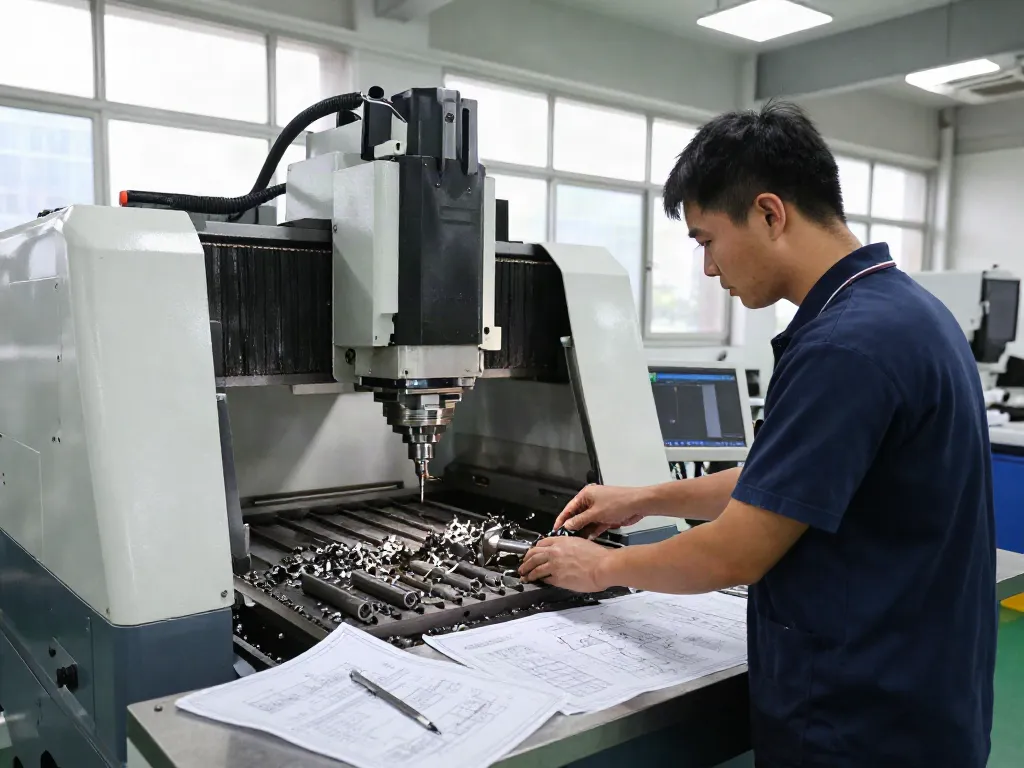
CNC machining is a subtractive manufacturing process that uses computerized controls to operate machinery and tools to remove material from a workpiece. The process begins with a digital design file, typically created in CAD (Computer-Aided Design) software. This file is converted into a set of numerical instructions that direct the machinery to precisely cut and shape materials, such as metal, plastic, and composites. The precision offered by CNC machining allows for the production of intricate designs and tight tolerances, which are vital in industries like aerospace, automotive, and medical devices.
Key Benefits of CNC Machining Parts
- High Precision: CNC machining delivers exceptional accuracy, ensuring that components are made to exact specifications.
- Efficiency: Automated processes lead to faster production times, allowing manufacturers to meet tight deadlines.
- Flexibility: CNC machines can be programmed for multiple tasks, enabling quick changes to designs without the need for extensive retooling.
- Scalability: CNC machining is suitable for both small-scale prototypes and large production runs, making it adaptable to various business needs.
- Reduced Waste: The subtractive nature of CNC machining minimizes material waste, enhancing cost-effectiveness and sustainability.
CNC Machining vs. Traditional Manufacturing
When comparing CNC machining with traditional manufacturing methods, the differences are stark. Traditional methods often rely heavily on manual labor and are prone to human error, leading to inconsistencies in product quality. In contrast, CNC machining ensures that every part produced is uniform and meets stringent specifications. Furthermore, CNC machines can operate continuously, significantly increasing production capacity without compromising quality.
CNC Machining Parts Manufacturer: Finding the Right Partner
Choosing the right CNC machining parts manufacturer is crucial for ensuring the success of your production processes. Several factors need to be considered to make an informed decision regarding potential partners in this critical field.
Evaluating Manufacturer Capabilities
Before partnering with a manufacturer, it's essential to assess their capabilities and resources. Look for a company specializing in the type of machining services you require, such as milling, turning, or injection molding. Additionally, consider their machinery technology; advanced equipment often leads to better precision and faster turnaround times. A manufacturer with a robust portfolio will usually demonstrate their proficiency through case studies or client testimonials.
Essential Certifications to Look For
Certifications indicate a manufacturer's commitment to quality and adherence to industry standards. ISO 9001 certification is a must, as it signifies a quality management system that ensures consistent product quality. Other industry-specific certifications, such as AS9100 for aerospace or ISO13485 for medical devices, can further ensure that you are partnering with a reputable manufacturer.
Understanding Lead Times & Delivery Schedules
Lead times are critical in manufacturing, particularly for businesses that operate on strict timelines. When evaluating potential CNC machining parts manufacturers, inquire about their typical lead times and how they manage production schedules. A reliable partner should provide clear timelines for the completion of your projects and communicate any potential delays proactively.
Common Challenges in CNC Machining Parts Production
While CNC machining offers numerous advantages, challenges can arise during the production process. Understanding these challenges can help manufacturers implement effective strategies to mitigate them.
Quality Control Issues and Solutions
Quality control is paramount in machining operations. Issues such as tool wear, incorrect programming, or material inconsistencies can lead to defects in the finished product. To counteract these problems, manufacturers should establish rigorous quality control protocols, including regular inspection of machinery and components throughout the production process, using methods such as Statistical Process Control (SPC).
Dealing with Material Limitations
CNC machining is highly dependent on the materials used. Each material has distinct characteristics that influence machining processes, such as hardness, ductility, and thermal stability. Manufacturers must understand these properties and select the appropriate materials for each application. This knowledge ensures optimal machining conditions, prolongs tool life, and maintains production efficiency.
Cost Management Strategies for Manufacturers
Managing costs is essential for maintaining competitiveness in the CNC machining industry. By investing in advanced technology, such as automation and AI, manufacturers can improve operational efficiency and reduce labor costs. Additionally, optimizing machining processes through techniques such as Lean Manufacturing can help eliminate waste and streamline production, ultimately driving down costs.
Best Practices for CNC Machining Success
To achieve sustained success in CNC machining, manufacturers should adopt best practices that enhance productivity and quality.
Implementing Efficient Workflow Processes
Efficiency is key in CNC machining. Establishing streamlined workflow processes reduces downtime and ensures that production runs smoothly. This can include optimizing the layout of the manufacturing floor for better accessibility to machines and materials, as well as implementing job scheduling software that maximizes machine utilization.
Investment in Technology and Training
Continuous investment in technology is necessary to stay competitive. Upgrading machinery and adopting new machining techniques will enhance capabilities and increase production efficiency. Additionally, providing regular training for employees ensures that they are skilled in operating advanced machinery and capable of troubleshooting issues as they arise.
Building Long-Term Relationships with Suppliers
Establishing strong relationships with suppliers is vital for obtaining quality materials and components. Long-term partnerships can lead to better pricing, reliable delivery, and improved communication, which ultimately contributes to the overall success of your CNC machining operations.
The Future of CNC Machining Parts Manufacturing
The CNC machining industry continues to evolve rapidly, driven by technological advancements and changing market requirements. As we look toward 2026 and beyond, several emerging trends are shaping the future of this field.
Emerging Trends for 2026 and Beyond
As industries strive for more efficient production methods, advancements such as 5-axis machining and multi-tasking machinery are becoming more prevalent. These technologies allow for more complex part geometries to be machined in a single setup, significantly reducing production time and improving accuracy.
Sustainability in CNC Manufacturing
Sustainability is emerging as a critical focus for manufacturers. The adoption of eco-friendly materials and processes, as well as energy-efficient machinery, is becoming increasingly important for companies seeking to reduce their environmental impact. Furthermore, recycling and reusing materials can significantly contribute to sustainability efforts in the CNC machining industry.
Innovation Through Automation and AI Integration
The integration of automation and artificial intelligence into CNC machining processes is set to revolutionize the industry. Automated systems can optimize production schedules, monitor machine performance, and predict maintenance needs, leading to safer and more efficient operations.
What are the top CNC manufacturers?
Several manufacturers are leading the charge in the CNC machining industry, known for their innovation, quality, and customer service. Notable companies include Haas Automation, DMG Mori, and Mazak, each offering a variety of machines and capabilities tailored to specific market needs.
Can CNC machining parts be customized?
Yes, customization is one of the key benefits of CNC machining. Manufacturers can create tailored parts based on customer specifications, allowing for unique designs and functionalities that meet specific industry requirements.
What industries benefit most from CNC machining?
CNC machining serves a wide range of industries, including aerospace, automotive, medical, electronics, and manufacturing. Each of these sectors requires precision components that can only be achieved through advanced machining techniques.
How to reduce costs in CNC machining?
To reduce costs, manufacturers can optimize their machining processes, invest in technology, and improve supply chain management. Implementing Lean Manufacturing principles and minimizing waste can also contribute to lower production costs.
Are CNC machined parts recyclable?
Yes, many materials used in CNC machining, such as metals and certain plastics, are recyclable. Manufacturers should include recycling programs in their operations to promote sustainability and reduce material waste.