
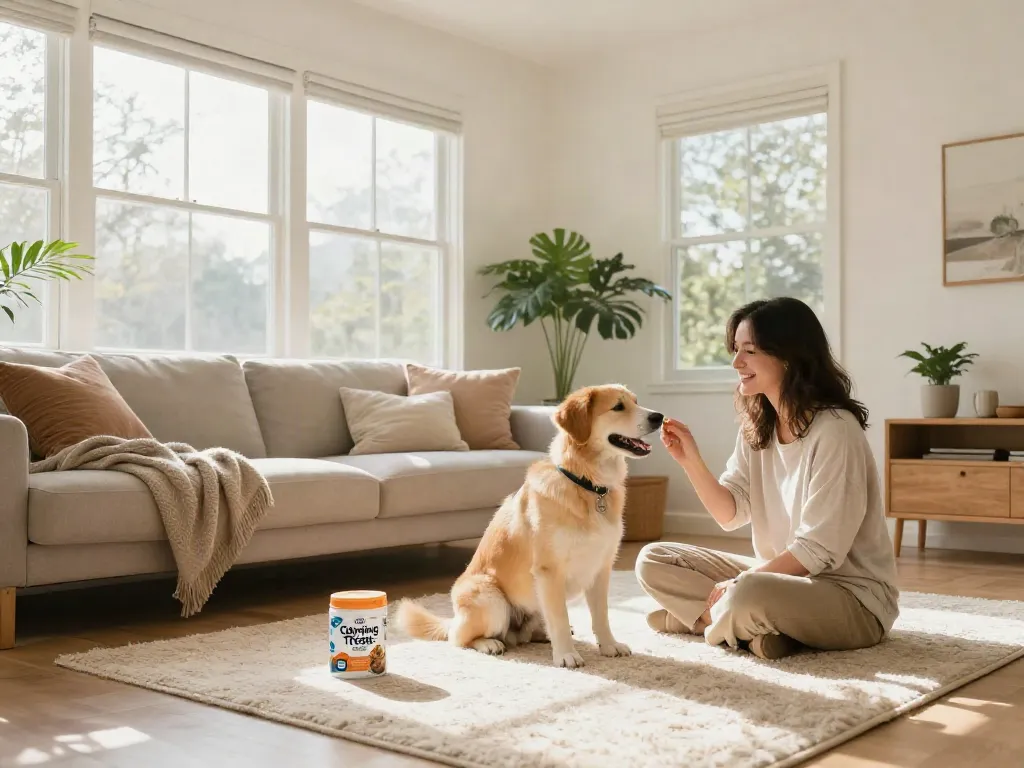
Understanding Dog Stress and Anxiety
Canine anxiety is a prevalent issue that affects the well-being of countless dogs. Understanding the underlying causes of stress in dogs is essential for any pet owner who wants to maintain their dog's health and happiness. Like us, dogs can experience a range of emotions, including fear, anxiety, and stress. They may react to environmental changes, unfamiliar noises, or even changes in their daily routine. Using calming aids, such as Calming Dog Treats, can help support a dog's emotional balance and reduce stress levels effectively.
Common Causes of Canine Stress
- Separation from owners or changes in household routines
- Scary noises such as thunder or fireworks
- Visits to the vet or groomers
- New environments or unfamiliar faces
- Travel or long car journeys
- Changes in the family structure, such as new pets or babies
Signs Your Dog May Need Calming Products
Recognizing the signs of anxiety or stress in dogs is crucial. Common indicators include:
- Pacing or excessive grooming
- Vocalizations such as whining or barking
- Destructive behaviors, including chewing and digging
- Hiding or seeking comfort from their owners
- Loss of appetite or changes in eating habits
- Shaking or trembling in stressful situations
How Calming Treats Work
Calming treats are designed to support the brain and body during stressful times. These chews do not sedate your dog but rather promote a sense of comfort and stability. Ingredients such as valerian root and ashwagandha help regulate mood, while amino acids like L-theanine and L-tryptophan encourage natural calming responses. By providing daily nutritional support, these treats aid in managing your dog’s anxiety over time.
Active Ingredients in Calming Dog Treats
The effectiveness of calming treats is largely attributed to their active ingredients, which work synergistically to promote relaxation. Here’s a detailed look at the components commonly found in these calming formulations.
Valerian Root and Its Effects on Dogs
Valerian root has been used for centuries to promote relaxation and improve sleep quality. It is known for its soothing properties and is often a go-to ingredient in calming supplements. In dogs, valerian is valued for its ability to help reduce anxiety before stressful events, facilitating a calmer demeanor during times of stress.
Role of L-Theanine and L-Tryptophan
L-theanine, an amino acid commonly found in green tea, helps support relaxed alertness in dogs. Unlike sedatives that make dogs drowsy, L-theanine promotes calmness while ensuring they remain alert and engaged. On the other hand, L-tryptophan is essential for serotonin production, a neurotransmitter that contributes to mood balance. The daily intake of these amino acids can be vital for dogs living with ongoing stress and anxiety.
Understanding Adaptogens: Ashwagandha and Magnesium
Ashwagandha is an adaptogenic herb, historically used to help the body cope with stress. It works by supporting a balanced response to daily pressures and enhancing overall resilience. Magnesium, on the other hand, is critical for healthy nerve function, and its needs increase significantly when a dog is under stress. Together, these ingredients work to provide long-term relief from anxiety.
Feeding Guidelines for Calming Treats
Understanding how to effectively use calming treats is crucial for maximizing their benefits. Here are recommended guidelines to ensure your dog receives the right support.
Daily Feeding and Frequency Recommendations
For daily stress management, it is advisable to administer calming treats consistently at the same time each day. This routine helps build the necessary active ingredients in your dog's system, providing them with continuous support.
How Long Before Events to Administer?
In anticipation of known stressors, such as fireworks or vet visits, provide the calming treats one to two hours prior to the event. This timing allows the ingredients to take effect when your dog needs it the most.
Adjusting Dosage for Puppies and Senior Dogs
When feeding dogs, it's essential to consider their age and weight. Puppies may require less than adult dogs, while seniors may benefit from regular calming support as they often experience increased anxiety. Always adjust dosages according to the specific weight guidelines provided on the product packaging.
Safety and Suitability of Calming Treats
While calming treats provide significant benefits, safety and suitability should never be overlooked when considering supplements for your dog.
Potential Side Effects to Watch For
Generally, calming treats are well tolerated. However, some dogs may experience mild side effects such as soft stools or lethargy upon initial use. If you notice any concerning changes in your dog's behavior or health, consult your veterinarian immediately.
Interactions with Other Supplements
If your dog is already on medications or other supplements, including CBD products, consult with your veterinarian before introducing new calming treats. It is crucial to prevent any potential negative interactions.
Vet Recommendations for Dog Anxiety
For dogs experiencing severe anxiety, obtaining a veterinary consultation is paramount. A veterinarian can help differentiate between behavioral anxiety and underlying medical issues that may contribute to your dog’s stress response.
Comparative Analysis: Calming Dog Treats vs Other Options
When searching for calming solutions, it’s important to understand the differences between various types of products available on the market.
Calming Chews vs. Oils and Sprays
Calming chews provide a palatable option for dogs, typically designed for daily use. In contrast, oils or sprays may offer a quicker onset of effects but may not be as practical for routine administration. Deciding between these options depends on your dog's preferences and needs.
Evaluating Brand Transparency and Quality Assurance
Transparency about ingredients and quality control is vital when selecting a calming product for your dog. Look for brands that provide clear information about sourcing, manufacturing practices, and the presence of third-party testing to ensure product safety and effectiveness.
Choosing the Right Product for Your Dog’s Needs
Each dog is unique, and their needs may vary significantly. Be attentive to your dog’s specific behavioral patterns and stressors when selecting calming aids. Consulting with veterinary professionals can enhance this process further.
Do Calming Treats Work? What Research Shows
Research into calming aids for dogs has shown promising results regarding their effectiveness in reducing anxiety. Studies suggest that treats containing natural ingredients can provide nutritional support that corresponds with behavioral improvements.
FAQs about Calming Dog Treats
What are the most effective calming treats for dogs?
Many pet owners find that treats containing a blend of active ingredients, such as valerian root, L-theanine, and ashwagandha, provide effective support for managing anxiety in dogs.
How long does it take for calming treats to work?
The onset of effects may vary based on the individual dog and the formulation of the treat. While some dogs may experience a calming influence sooner, it is best to evaluate the results over the course of a month for optimal feedback.
Can I use calming treats for multiple stressful situations?
Yes, calming treats are designed for everyday use and can be beneficial across various stressful events. Consistency and routine in administration help reinforce their positive effects.