
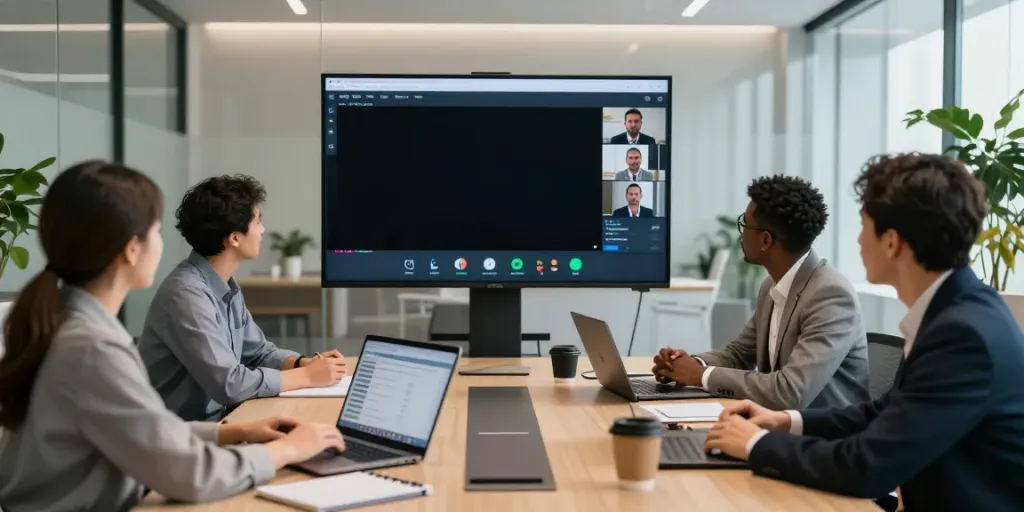
The Importance of Deepfake Free Meetings in 2026
As technology advances at an unprecedented pace, the emergence of deepfake technology poses significant challenges, especially in professional environments. Businesses have become increasingly reliant on video conferencing tools for collaboration and communication. However, the rise of deepfakes—artificial intelligence-generated alterations of audio and video—threatens the integrity of these virtual interactions. As we look toward 2026, establishing deepfake free meetings is not just a technological innovation but a fundamental necessity to ensure trust and security in the workplace.
Understanding the Risks of Deepfakes
The potential risks associated with deepfakes are profound. Ranging from privacy violations to corporate espionage, these AI-created imposters can undermine the very fabric of workplace trust. Deepfakes can be used to impersonate executives during crucial meetings, manipulate financial negotiations, or even disseminate misinformation that could damage reputations. With the sophistication of current AI technologies, these threats are becoming more accessible, making it imperative for organizations to adopt robust detection and prevention measures.
Moreover, the psychological impact of deepfakes cannot be understated. Employees may feel exposed and uncertain about the authenticity of their interactions, leading to decreased morale and anxiety. Recognizing these threats is the first step toward safeguarding meeting integrity in an era where visual and auditory authenticity is being increasingly challenged.
Deepfake Free Meetings: A New Standard
In response to the escalating threat of deepfakes, organizations must establish protocols for deepfake free meetings. This transition involves incorporating advanced detection technologies that assess video and audio quality in real-time to identify potential deepfakes before they can cause harm. The use of AI and machine learning tools can help differentiate between real and synthetic media, thereby reinforcing trust among participants.
Additionally, creating a secure meeting environment requires not only the implementation of technology but also establishing clear meeting protocols. This could involve requiring identity verification methods or setting up secure lines of communication as standard practice. As the industry standard evolves, organizations that prioritize deepfake-free interactions will gain a competitive edge, ensuring their meetings are both productive and secure.
Assessing User Concerns and Pain Points
Understanding user concerns is essential in addressing the challenges posed by deepfake technology. Employees and stakeholders may express skepticism about the efficacy of detection technologies or feel overwhelmed by the rapid changes in digital communication tools. Furthermore, many may lack the technical expertise required to identify deepfakes themselves, heightening feelings of vulnerability.
As such, organizations should conduct thorough assessments of user needs and pain points, engaging with employees to develop tailored solutions. Providing ongoing training and resources on identifying and responding to deepfake threats can empower teams and enhance overall digital literacy. By fostering a culture of security and awareness, businesses can address user concerns head-on, building confidence in their communication tools.
Technologies Empowering Deepfake Detection
Overview of Current Deepfake Detection Technologies
The landscape of deepfake detection technologies is rapidly evolving. Leading-edge solutions harness AI and machine learning algorithms to analyze video and audio inputs for telltale signs of manipulation. Techniques such as facial recognition analyses, voice stress detection, and anomaly detection are integral to modern detection systems. These technologies can be integrated seamlessly into existing video conferencing platforms, allowing for real-time monitoring of participants.
Furthermore, many organizations are investing in proprietary systems tailored to their specific needs. These bespoke solutions can analyze historical meeting data and user behavior to identify potential anomalies that may indicate the presence of a deepfake. By leveraging such technologies, companies are taking proactive measures to protect their communications.
Evaluating Leading Software Solutions
When selecting the appropriate software for deepfake detection, organizations should consider multiple factors, including reliability, ease of integration, scalability, and cost-effectiveness. Some of the leading solutions currently available include:
- Truly: This software provides real-time detection capabilities with an emphasis on video conferencing platforms.
- Resemble AI: Renowned for its voice recognition features, it offers a comprehensive solution for identifying synthetic audio manipulations.
- Deepware Scanner: Focused on identifying deepfake images and videos, it is particularly useful for pre-meeting checks of shared media.
Evaluating these solutions involves conducting trials and gathering feedback to ensure they meet the organization's requirements. Teams should engage in regular assessments of their detection tools' effectiveness to keep pace with evolving deepfake technologies.
Real-World Application of Detection Technologies
The application of deepfake detection technologies in real-world settings illustrates their transformative potential. For instance, organizations in finance and law enforcement are employing advanced detection systems to secure sensitive meetings and communications. These sectors, often dealing with critical information, must ensure that communications are genuine to maintain trust and legality.
A notable case study in the corporate world involved a multinational company that integrated a real-time detection tool during high-stakes negotiations. By employing this technology, they successfully identified an imposter attempting to infiltrate their meeting, thus avoiding potential financial loss and reputational damage. Such examples underscore the tangible benefits that deepfake detection technologies can provide.
Best Practices for Implementing Deepfake Free Meetings
Preparing Your Organization for Transition
Transitioning to deepfake free meetings requires a strategic approach. Organizations must start by establishing a clear vision of their security protocols, emphasizing the importance of authenticity in communication. Engaging stakeholders at all levels in discussions about the risks and the chosen technologies is crucial for gaining buy-in and fostering a sense of shared responsibility.
Additionally, developing a phased implementation plan can help organizations manage change more effectively. Start with pilot programs to test the technology's efficacy and gradually scale up while continuously assessing its impact and user reception. A transparent approach during this transition will help alleviate concerns and build trust in the new systems.
Training for Employees on Detection Tools
Well-informed employees are a critical defense against deepfake threats. Providing comprehensive training on how to use detection tools is vital for maximizing their effectiveness. Training sessions should cover:
- Understanding the nature of deepfakes and their potential impact.
- Learning how to identify key signs of manipulation in video and audio.
- Hands-on practice with detection tools and the protocols for their use during meetings.
Furthermore, fostering an open dialogue where employees can share their experiences will help create a supportive environment, encouraging vigilance and collaboration in identifying deepfakes.
Integrating Technology into Meeting Protocols
Incorporating detection technology into everyday meeting protocols is essential for reinforcing security measures. Organizations should create standard operating procedures that include the use of detection tools during meetings, along with a checklist for verifying participant authenticity.
Establishing a culture of accountability is equally important. Designating security champions within teams can facilitate adherence to protocols and serve as points of contact for any security-related queries. By institutionalizing these practices, companies can ensure that deepfake free meetings are not merely a trend but a lasting standard.
Case Studies: Success Stories in Deepfake Free Meetings
Corporate Implementations and Outcomes
Several corporations have successfully adopted deepfake detection technologies, yielding favorable outcomes. One notable example is a global tech firm that experienced a high-profile security breach due to a deepfake impersonation. In response, they implemented a detection system that integrated with their existing video call platforms. After its installation, the company reported a 50% reduction in security incidents associated with video conferencing.
This shift not only enhanced security but also restored employee confidence in digital communications. The organization emphasized the importance of regular software updates and employee training, ensuring that they remain ahead of potential threats.
Industry-Specific Examples and Their Impact
Different sectors can learn from these case studies by tailoring deepfake detection strategies to their specific needs. For example, the healthcare industry must protect sensitive patient information. A hospital that integrated real-time detection systems during consultations observed a significant improvement in patient trust and communication accuracy. Moreover, this health network managed to mitigate risks associated with fraudulent medical claims stemming from deepfake technology.
Lessons Learned and Future Opportunities
Analyzing these success stories reveals valuable lessons: first and foremost, the importance of proactive strategies in combating deepfake threats. Companies should continuously invest in technology and training to stay ahead of potential risks. There is also an opportunity to collaborate with technology providers to enhance detection systems further, ensuring that they adapt to evolving challenges in the landscape of digital communications.
Future Trends in Meeting Security Beyond 2026
Advancements in AI and Machine Learning Detection
As we look to the future, the advancement of AI and machine learning technologies in deepfake detection will continue to evolve. More sophisticated algorithms capable of analyzing context, emotional cues, and behavioral patterns will enhance detection rates and reduce false positives.
Furthermore, the integration of blockchain technology could revolutionize meeting security by providing immutable records of all communications and interactions, thus serving as a robust verification method for participants.
Projecting Future Challenges and Solutions
While technology will advance, so too will the methodologies employed by malicious actors. Predicting future challenges requires vigilance and adaptability. Organizations should remain aware of new deepfake techniques and consistently update their detection protocols. Investing in research and collaboration with experts in cybersecurity will be critical in remaining ahead of threats.
Building a Culture of Security Awareness
Ultimately, building a culture of security awareness will be paramount as organizations navigate the future of meetings in the digital age. Regular training sessions, open discussions about threats, and an emphasis on accountability can help foster an environment where every participant recognizes their role in maintaining security during meetings.
In conclusion, as we progress through 2026 and beyond, the importance of deepfake free meetings becomes undeniable. Through the adoption of cutting-edge technologies, the establishment of robust protocols, and a strong culture of awareness, organizations can safeguard their communications and maintain trust in an increasingly complex digital landscape.
What are the benefits of deepfake free meetings?
Deepfake free meetings offer enhanced security, protecting sensitive information and ensuring all participants' authenticity. With reduced risks of impersonation, organizations can foster a culture of trust and effective communication.
How can my organization implement deepfake detection technology?
Implementing deepfake detection involves evaluating leading software solutions, integrating them into existing communication tools, and providing employees with comprehensive training to identify potential threats.
What are the most reliable deepfake detection tools available?
Some of the most reliable tools include Truly, Resemble AI, and Deepware Scanner, each offering unique features that enhance detection capabilities during virtual meetings.
How do deepfakes affect corporate trust and communication?
Deepfakes can severely undermine corporate trust, as the potential for deception erodes confidence in digital communications. Establishing systems to detect and prevent deepfakes is essential for maintaining clear, honest communication.
What should I know about the legal implications of deepfakes?
The legal landscape surrounding deepfakes is still developing, but organizations should be aware of potential liabilities related to privacy violations, corporate espionage, and the unauthorized use of individuals' likenesses.