
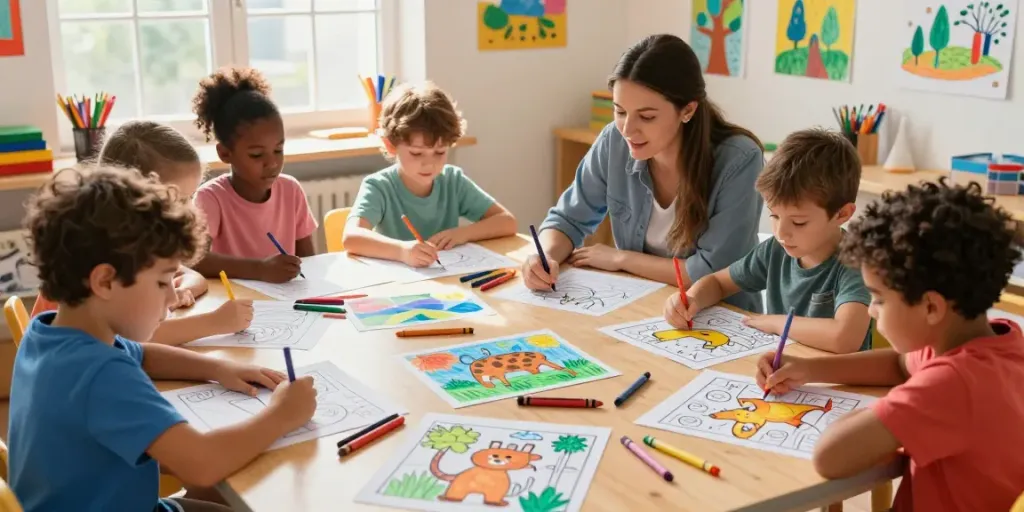
Understanding the Importance of Free Coloring Pages
Coloring has long been recognized as a beneficial activity for children, serving not only as a form of entertainment but also as a fundamental tool for development. The act of coloring engages various areas of child development, including fine motor skills, hand-eye coordination, and cognitive abilities. By providing freecoloringsheets.net as a valuable resource, parents and educators can tap into the rich benefits that coloring offers, promoting creativity and enhancing learning experiences.
Why Coloring is Beneficial for Children
Coloring is an activity that can significantly impact a child's developmental milestones. It aids in the enhancement of fine motor skills, as children learn to control their hand movements with crayons, pencils, or markers. This activity also promotes concentration and attention span, allowing children to focus on completing a single task, which is increasingly important in today's fast-paced world.
Additionally, coloring can have emotional benefits. Engaging in this creative outlet can help children express their feelings, ease anxiety, and develop a sense of accomplishment upon completing their artwork. Furthermore, it can foster a sense of independence as children choose colors and designs, making decisions that are uniquely theirs.
How Coloring Pages Foster Creativity and Imagination
Coloring pages provide a blank canvas for children to unleash their imagination. The variety of designs—from cartoon characters to intricate patterns—allows for personal expression. Children are encouraged to think creatively as they select colors, create patterns, and even add their own elements to the images they color.
This freedom of expression fosters innovative thinking, which is essential not just in art but across all subjects and disciplines. As children combine colors and styles, they learn about contrasts, harmony, and the visual representation of ideas.
Freecoloringsheets.net: A Resource for Parents and Educators
Platforms like freecoloringsheets.net serve as excellent repositories for high-quality, printable coloring pages tailored for various age groups. This resource allows parents and educators to provide materials that can be both fun and educational. By integrating these sheets into learning environments, they can create diverse educational activities that supplement traditional teaching methods.
Moreover, with the availability of seasonal and thematic sheets, it becomes easy to engage children with timely and relevant content, enhancing their interest in both art and the subjects at hand.
Exploring the Variety of Themes Available
Coloring pages are available in an impressive array of themes that cater to children's interests and educational needs. From animals to seasonal festivities, the choices are virtually limitless, facilitating connections to the world around them while keeping the activity enjoyable.
Animal-Inspired Sheets from freecoloringsheets.net
Animal themes consistently captivate children’s interest. Whether it’s coloring wild creatures from the jungle or playful pets from the home, these pages can spark curiosity about wildlife and nature. By pairing these sheets with facts about the animals, educators can also seamlessly integrate science lessons into a fun activity that children love.
Animal coloring pages not only entertain but also provide an avenue for discussions about conservation, habitats, and animal behaviors, making learning multi-dimensional and interactive.
Seasonal and Holiday Themes for Engaging Activities
Seasonal themes can resonate deeply with children, as they relate to holidays and celebrations throughout the year. Coloring pages depicting seasonal activities help create a festive atmosphere, encouraging participation in holiday traditions. For example, Halloween-themed sheets allow children to express their creativity while discussing safety and fun traditions, while Christmas sheets can be tied into lessons about sharing and goodwill.
These seasonal activities shine a light on cultural education, broadening children's perspectives while enhancing their artistic skills.
Educational Coloring Pages to Enhance Learning
Educational coloring pages are designed to foster learning in specific subjects. For example, sheets that feature letters, numbers, and shapes can help preschoolers and kindergarteners solidify their foundational knowledge in a lively and enjoyable manner. Incorporating subjects like geography or history into coloring pages—such as maps or historical figures—can enrich children’s understanding of complex topics.
By allowing children to engage with these subjects through art, educators can make learning more appealing, improving retention and understanding of the material.
Best Practices for Utilizing Coloring Pages
To maximize the benefits of coloring pages, it's essential to employ effective strategies. This ensures that children engage with the material thoughtfully, translating artistic activities into meaningful learning experiences.
Integrating Coloring into Educational Curriculums
Incorporating coloring sheets into educational lessons can create an interactive environment. For instance, teachers can use coloring pages related to the current curriculum—such as historical figures during a history lesson or plant life during science units. This integration allows children to express what they’ve learned artistically, reinforcing the material in a unique way.
Additionally, group coloring activities can encourage teamwork and communication among peers, helping children learn to work together and share ideas.
Creating a Dedicated Coloring Space at Home
Establishing a dedicated space for coloring at home can encourage children to engage in this activity regularly. This space should be stocked with various coloring tools—crayons, markers, colored pencils—and a selection of sheets from sources like freecoloringsheets.net. By having an organized area, children will be more likely to sit down and unleash their creativity without distractions.
Moreover, having this space can signal to children that coloring is a valued activity, allowing them to explore their artistic identity freely.
Tips for Encouraging Creativity in Kids
Encouraging creativity is essential for children’s growth. Providing diverse materials, such as textured papers or non-traditional coloring tools (like watercolor paints or digital coloring apps), can help stimulate creativity. Additionally, parents should praise the effort over the outcome, emphasizing the process of creating rather than focusing solely on the finished product.
Setting challenges—like using only certain colors or creating a story around their colored images—can also foster deeper engagement with the activity and promote original thinking.
Future Trends in Coloring for Children
The landscape of coloring pages continues to evolve, influenced by technological advancements and changing interests among children. Keeping an eye on these trends can help parents and educators stay ahead in providing engaging activities that captivate young minds.
Digital Coloring Pages and Their Impact
As technology integrates into daily life, digital coloring pages have gained popularity. These allow for interactive coloring experiences, where children can use tablets or computers to paint their creations. Digital platforms often provide a broader range of colors and tools, encouraging experimentation without the mess of traditional coloring.
Moreover, incorporating sound and animation can enhance the experience, making coloring not only an artistic outlet but also a multi-sensory engagement that appeals to the modern child.
The Rise of Interactive Coloring Apps
Interactive coloring apps are rapidly becoming a favorite among children. These apps offer various features that traditional coloring cannot—like animations that come to life upon completion of a coloring page or the ability to share artwork with friends digitally. This trend encourages children to explore creativity in dynamic ways while also building skills related to technology use.
For parents, these apps present opportunities to monitor usage and provide guided artistic exploration through curated activities that align with educational goals.
How to Keep Kids Engaged with Evolving Trends
Staying current with evolving trends ensures that children remain engaged and excited about coloring. Parents and educators should continue exploring new themes, whether through seasonal updates, partnerships with popular media, or collaborative projects that integrate other forms of art and expression.
By keeping the content fresh and reflective of children's interests, adults can cultivate a lifelong appreciation for creativity, whether through coloring or other artistic endeavors.
Frequently Asked Questions
What age group is best suited for coloring pages?
Coloring pages are suitable for a wide range of ages, starting as early as toddlerhood with simple shapes and progressing to more intricate designs for older children. The key is to select pages that match the child's developmental stage to maximize engagement and enjoyment.
How can educators effectively use coloring sheets?
Educators can utilize coloring sheets to reinforce lessons by incorporating them into thematic units. For instance, coloring sheets related to the subject matter can serve as both a teaching aid and a fun activity that enhances retention and understanding.
Are there any subscription services for new coloring pages?
Several online platforms offer subscription services that provide new coloring pages regularly. These subscriptions can be a great way for parents to keep their child’s artistic activities fresh and diverse, ensuring constant engagement.
How do coloring pages support emotional development?
Coloring pages can support emotional growth by offering a safe outlet for expression. Through coloring, children can convey their feelings, experience a sense of calm, and develop self-esteem as they complete their projects.
Can coloring be used as a learning tool for older children?
Yes! Older children can benefit from advanced coloring pages that incorporate educational elements, such as historical figures or complex geometric patterns. These activities can serve as excellent tools for exploring concepts in art, math, history, and more.